

History and Pandemics
Guest Author: Nathan Hazlehurst
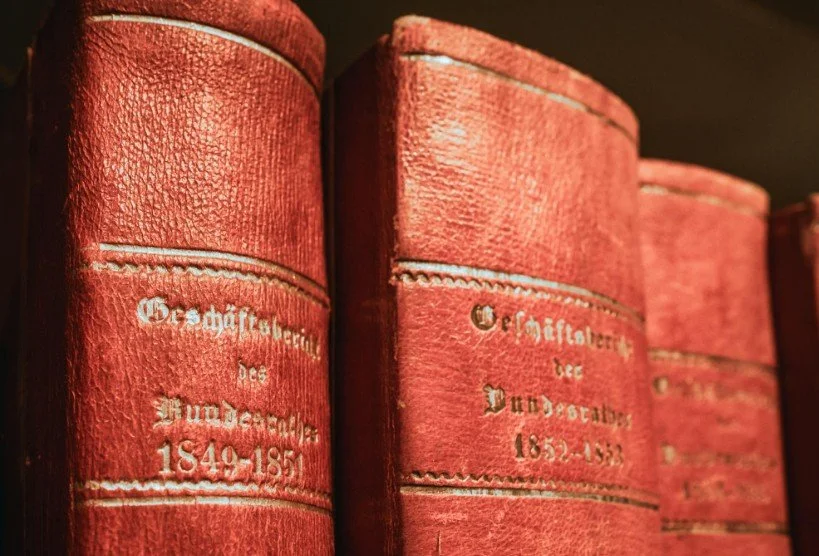
History may not repeat itself, but it does rhyme! So, what is the value of history for pandemic preparedness?
Six years after the Covid-19 pandemic, reports are emerging that discuss the positive and negative aspects of the response across the world. Within the UK, the Covid-19 inquiry has, as of April 2026, published four module reports, and there has been significant coverage of the failings of previous exercises and plans, most notably Exercise Cygnus in 2016.
Yet, despite the weight of inquiries, discussions and promises that ‘lessons will be learned,’ there is little in the way of historical exploration into previous pandemics.
The history of humanity and civilisation has been interspersed with that of pandemic, from the very earliest records and reports of plagues and pestilence striking nations to the modern day. The field of medical history has been looking into pandemic preparedness and response for many years. From wide-reaching texts on personal responses to disease such as Furtado’s edited work (Furtado, 2021)through to specialist explorations of control measures (Strasser & Schilch, 2025) .
Work has also been conducted into the health protection impacts of wider incidents, such as the public health work required because of evacuation in the Second World War (Dawes, 2016). Indeed, during the pandemic itself an industry seemed to emerge of texts exploring previous pandemics, from the Influenza pandemic of 1918, otherwise known as Spanish Flu, through to exploring the consequences of the Black Death (Belich, 2022). These explorations highlighted the significant parallels with previous outbreaks, including control measures like masks and enforced isolation as well as vaccine hesitancy and challenges to established medical practice. The pandemic made clear the importance of historical parallels and even fostered some level of searching the archives for methods that had previously proved effective.
Since the notional end of the pandemic, this work has receded however, now being the preserve again of historians rather than collaborations with health protection and emergency preparedness practitioners. At a recent committee hearing for the House of Lords Resilience Committee, one attendee even gave the response that ‘others look to the past, we only look to the future.’ This attitude, though understandable in part, ignores the very real opportunities that historical perspectives can bring to a holistic view of pandemic preparedness and response.
By exploring past strategies and plans to deal with other diseases, from Cholera and Typhus to Spanish Flu and Plague, health protection and emergency preparedness practitioners could identify otherwise forgotten gems of policy and practice. Conversely, they could also identify pitfalls of activity that produced negative results and indeed endangered more lives. On a wider level, losing connection with our past as practitioners within public health and emergency preparedness risks a collective institutional amnesia of how we got to where we are, why we do what we do, and losing sight of the sacrifices our predecessors made to get us to where we are today.
Translation into Action
This research is important for anyone working within health protection, emergency preparedness and the history of both fields
There should be a willingness and eagerness to engage with historic perspectives of previous pandemics, including the preparedness, response and consequences of them.
Working with local and national archives, practitioners should ensure that key documentation is safeguarded for future generations.
When exercising or exploring new means of responding to pandemics, practitioners should consider how their predecessors did this, and dare to try old methods in new ways.