
Translational Research Resources
Community Development
The translational work majority of public health programmes seek to translate evidence into ‘interventions’. In other words, we find evidence of something that research suggests will have an effect on public health, and then we ‘do’ that something to our local population.
But there is another way. What about, rather than doing our public health work to people, we do it with them?
Place‑based community‑led (PBCL) approaches start from a simple but powerful insight: health is created in the places that people live their lives. PBCL work focuses on small, recognisable neighbourhoods where relationships matter, services intersect, and people share common experiences.
They look beyond deficits and problems to identify local strengths, assets and social connections, and it invests in growing these as the foundations of better health and wellbeing.
One prominent example of a community-led approach is Asset Based Community Development (ABCD). This is a way of working that focuses on the strengths and assets within a community, not simply its deficits and problems. Community assets can include local people’s skills, knowledge, and experiences. They are the local community groups and projects, as well as the ideas people may have for new initiatives. It is these assets that community-led work is built from, not the detailed and prescriptive strategies of professionals.
Case Study: Priority Neighbourhood Development (PND)
Worcestershire’s PND programme is a targeted, place-based initiative designed to address these health inequalities and unmet needs in the County’s most disadvantaged communities. It’s an example of how to move from research and data to practical action and improved health outcomes. The programme won the national LGC Public Health Award in 2025. Here’s the story…
Starting with research and data
Where we live is a major influence on our health. Poor living conditions, together with the ‘inverse care law’ in service provision, leaves us with an average gap of 19 years in healthy life expectancy between the most and least deprived areas.
In England, work on health inequality often focuses on administrative geographies (such as local authority catchment areas). However, these may be too large and heterogeneous to represent useful units of analysis. Instead, one English study highlighted the greater utility of focusing on smaller geographical units (Hood et al. 2021). Specifically, this research analysed Lower Super Output Areas (LSOAs), containing populations of 1000 to 3000 residents, when examining the determinants of need and service demand.
Translation into action: The PND Programme
The work began with an examination of data across Worcestershire’s neighbourhoods. The analysis really zoomed into the fine detail, comparing hundreds of small areas between around 1500 and 3000 people (Lower Super Output Areas). Statistical process control analyses were used to find neighbourhoods with significantly higher rates (+3 SD) of emergency hospital admissions, lower healthy life expectancy, and greater social challenges compared to the County average.
The PND Programme then set out to tackle these inequalities by focusing resources, partnership working, and community engagement in the areas where need is greatest. This is being done in a way that avoids stigma, harnessing and maximising local people’s pride in their communities.
Towards that aim, the programme focuses on local strengths much more than it focuses on problems. Working groups are formed by local residents, schools and voluntary sector organisations. The work is supported by the local Public Health Team in collaboration with other local authority colleagues and NHS partners. However, it’s local people who are in control.
These working groups are entrusted with a sizeable, shared budget and the decision-making power to co-design and deliver projects that matter most to their community. As such, it’s not just money that is invested, but also trust and the power to make things happen.
What did it achieve?
The PND certainly creates a positive buzz in neighbourhoods. Local resident-led projects, such as nature trails, youth engagement schemes, parent support groups and school initiatives have fostered pride and participation.
But that’s not all. The first PND initiative in the Westlands Housing Estate led to a 7% reduction in emergency hospital admissions (against a 5% rise across the County) and a 13% decrease in Children in Need social care referrals. There were also measurable improvements in mental health and social isolation. The work won the LGC Public Health Award in 2025, with local residents (rather than professionals) receiving the award at a ceremony in London.
A bright future
The PND programme has secured ongoing investment from housing providers, health partners, and local businesses. It is now a core element of Worcestershire’s Neighbourhood Health Strategy, with similar work expanding to other Priority Neighbourhoods across the County.
Work is already well underway in Redditch, which has more Priority Neighbourhoods than any other district in Worcestershire. Significant funding has already been agreed, with local residents and community groups drawing up plans to make it work. Their key priorities include young people’s well-being and family support. This will be boosted by Pride in Place funding over the next few years.
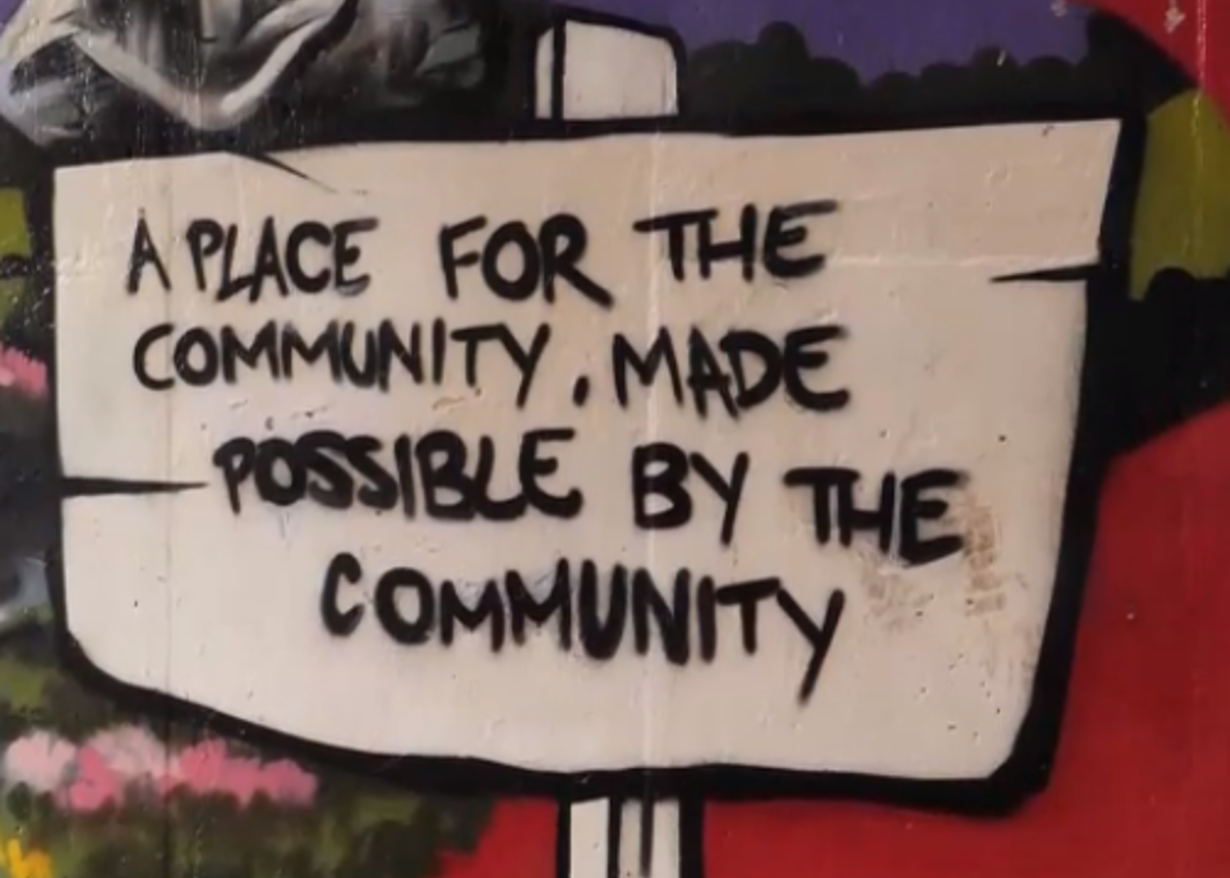
Other areas are also coming on board, producing a constant stream of innovative work. From cycling and boxing clubs to parent support groups and community hubs, it’s all being delivered by the community for the community. All we need to do is invest the funds, as well as some trust, and get out their way while they make the magic happen.
FURTHER INFORMATION