

New Study
Public Understanding of Ultra Processed Foods
Guest Author: Luke Whitehouse
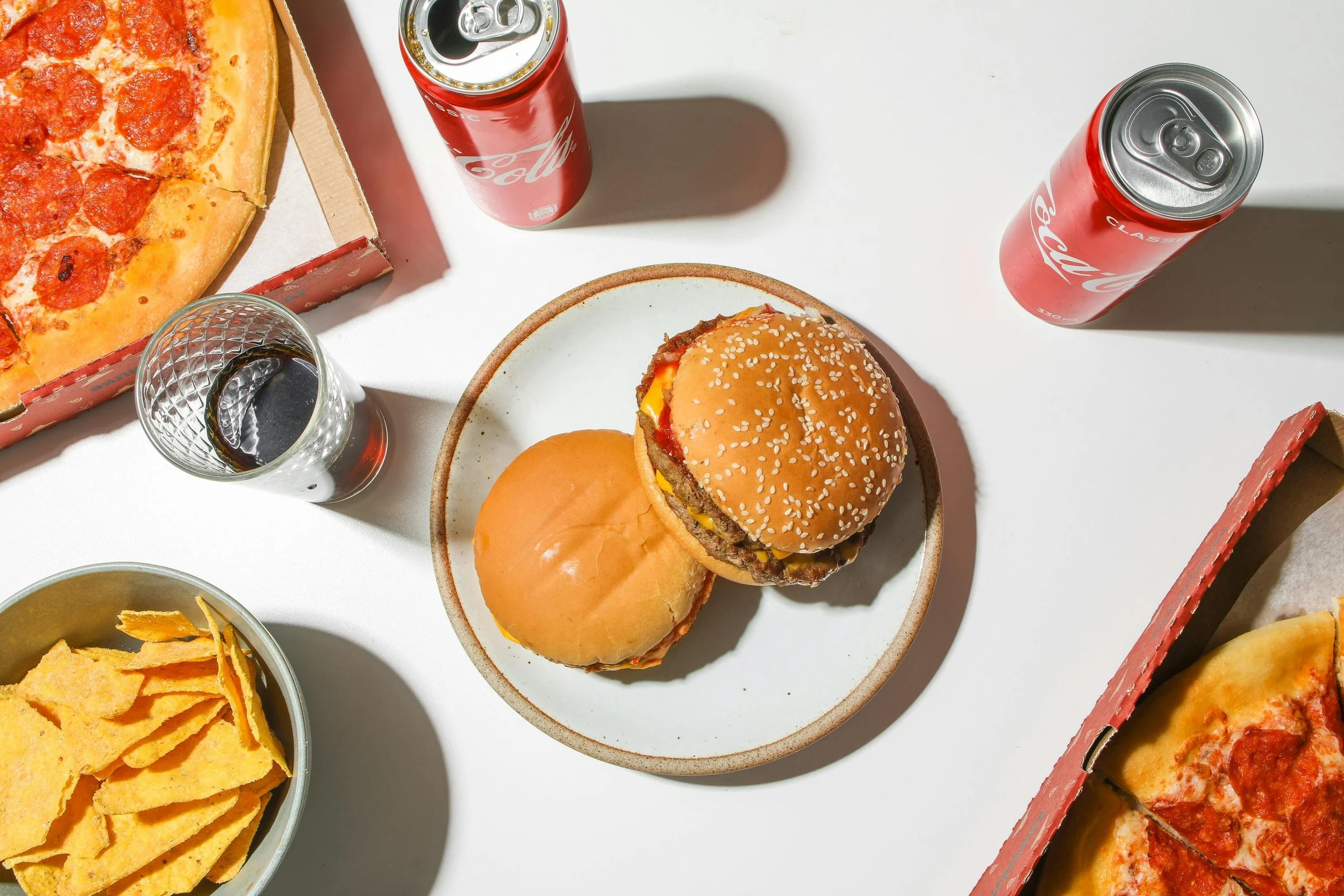
The term ‘ultra-processed food’ (UPF) has gained prominence due to links with adverse health outcomes. Attention to UPFs is growing, evidenced by UK government interest and a Scientific Advisory Committee on Nutrition review. But how much do the public understand about UPFs.
Most foods undergo some processing, much of it harmless. The NOVA classification divides foods into four groups by processing level. Group 1 includes minimally processed foods (e.g. vegetables, meat and dairy), altered mainly for safety. Group 2 covers ingredients like oils derived from these foods. Group 3 includes foods made by combining ingredients to extend shelf life, such as tinned products. Group 4 (UPFs) contains industrial ingredients or additives rarely used in home cooking and underpins ongoing debate about modern food systems.
Researchers at the University of Liverpoolhave examined whether the public understands UPFs. Surveying over 2,300 UK adults, they identified a clear gap between perception and knowledge: 58% reported basing food choices on whether they believed items were UPFs, yet only a minority could correctly identify them.
Higher education levels improved identification accuracy but also increased the likelihood of misclassifying non-UPFs as UPFs. Meanwhile, individuals living with obesity were less likely to trust information about UPF-related health risks. More broadly, many participants struggled to categorise common staple foods, suggesting that their everyday presence may lead people to underestimate their processing level compared to traditional “junk” foods.
Overall, the findings highlight widespread public confusion. Marketing may further contribute to this uncertainty. Research shows terms such as “high protein” or “low fat,” commonly seen on packaged foods, can imply health benefits and lead consumers to overgeneralise nutritional quality. The fitness industry illustrates this well, highly processed protein bars are often perceived as healthier alternatives to chocolate bars despite containing similar additives and industrial ingredients.
This confusion has important public health implications. The UK does not currently provide formal guidance specifically discouraging UPF consumption, nor is there a universally adopted government definition. Despite this, individuals are already making dietary decisions based on their own interpretations, potentially leading to unintended health consequences.
Translation to practice
Lead with food literacy, not food labels. Practitioners delivering nutrition education, whether through health visiting, social prescribing, or community programmes, may wish to ground conversations in food characteristics people can actually observe, including ingredient lists, levels of processing, and satiety, rather than relying on a classification system the public does not yet reliably understand. Simple, tangible descriptors are likely to be more actionable than categorical labels.
Be alert to the Health Halo in your own communications. When designing campaigns or endorsing products, particularly in settings like workplace wellness, school food, or weight management programmes, scrutinising claims like "high protein" or "low fat" matters. Inadvertently amplifying marketing language risks reinforcing exactly the kind of misclassification the evidence highlights.
Advocate for clearer national guidance and legislation relating to labelling/marketing of products. The UK's current absence of official advice on UPF puts frontline practitioners in an awkward position, as they’re expected to support healthy eating without clear advice. Public health professionals are well placed to add their voice to calls for a formal government position, whether through professional bodies, Health and Wellbeing Board priorities, or responses to consultations emerging from the Good Food Cycle strategy.
Treat confusion as a health inequalities issue. The study's findings on education and misclassification are a reminder that nutritional literacy is not evenly distributed. Populations with lower health literacy may be more vulnerable to health halo marketing while simultaneously having less access to higher-quality food options. Any local needs assessment or food-related intervention should consider how food classification confusion intersects with wider deprivation and design accordingly.